The Science of Ketamine
Learn how a 60-year-old anesthetic became one of the most promising breakthroughs in modern mental health treatment.
THE SCIENCE
A different pathway.
A better result.
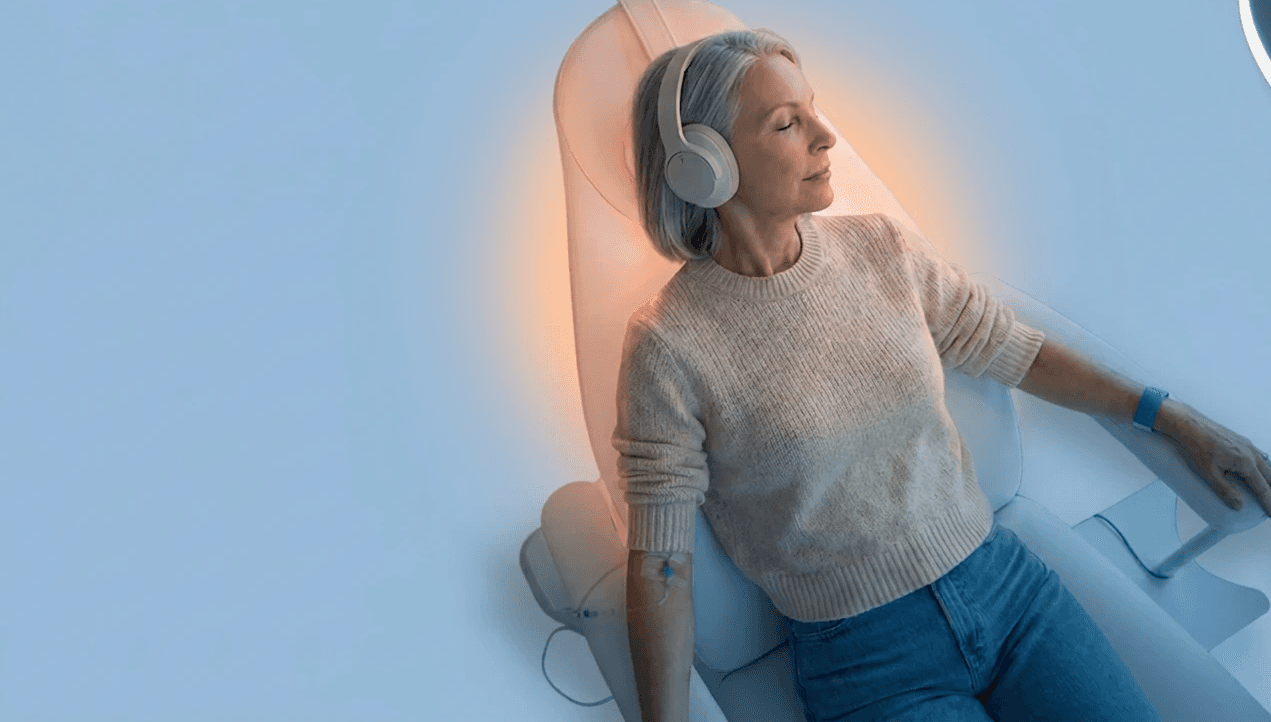
Most standard medications work by gradually adjusting neurotransmitters like serotonin and norepinephrine. They often take weeks to work, and many patients experience only partial or no relief at all.
Ketamine works differently. It targets the glutamate system and rapidly increases neuroplasticity, allowing the brain to form new, healthier connections. This shift helps loosen rigid, stress-driven patterns and is why ketamine can produce rapid, meaningful improvement in depression, anxiety, PTSD, addiction, and so much more.

THE SCIENCE
A different pathway.
A better result.
Most standard medications work by gradually adjusting neurotransmitters like serotonin and norepinephrine. They often take weeks to work, and many patients experience only partial or no relief at all.
Ketamine works differently. It targets the glutamate system and rapidly increases neuroplasticity, allowing the brain to form new, healthier connections. This shift helps loosen rigid, stress-driven patterns and is why ketamine can produce rapid, meaningful improvement in depression, anxiety, PTSD, addiction, and so much more.
THE SCIENCE
A different pathway.
A better result.
Most standard medications work by gradually adjusting neurotransmitters like serotonin and norepinephrine. They often take weeks to work, and many patients experience only partial or no relief at all.
Ketamine works differently. It targets the glutamate system and rapidly increases neuroplasticity, allowing the brain to form new, healthier connections. This shift helps loosen rigid, stress-driven patterns and is why ketamine can produce rapid, meaningful improvement in depression, anxiety, PTSD, addiction, and so much more.
Inducing neuroplasticity
through glutamate
Inducing neuroplasticity
through glutamate
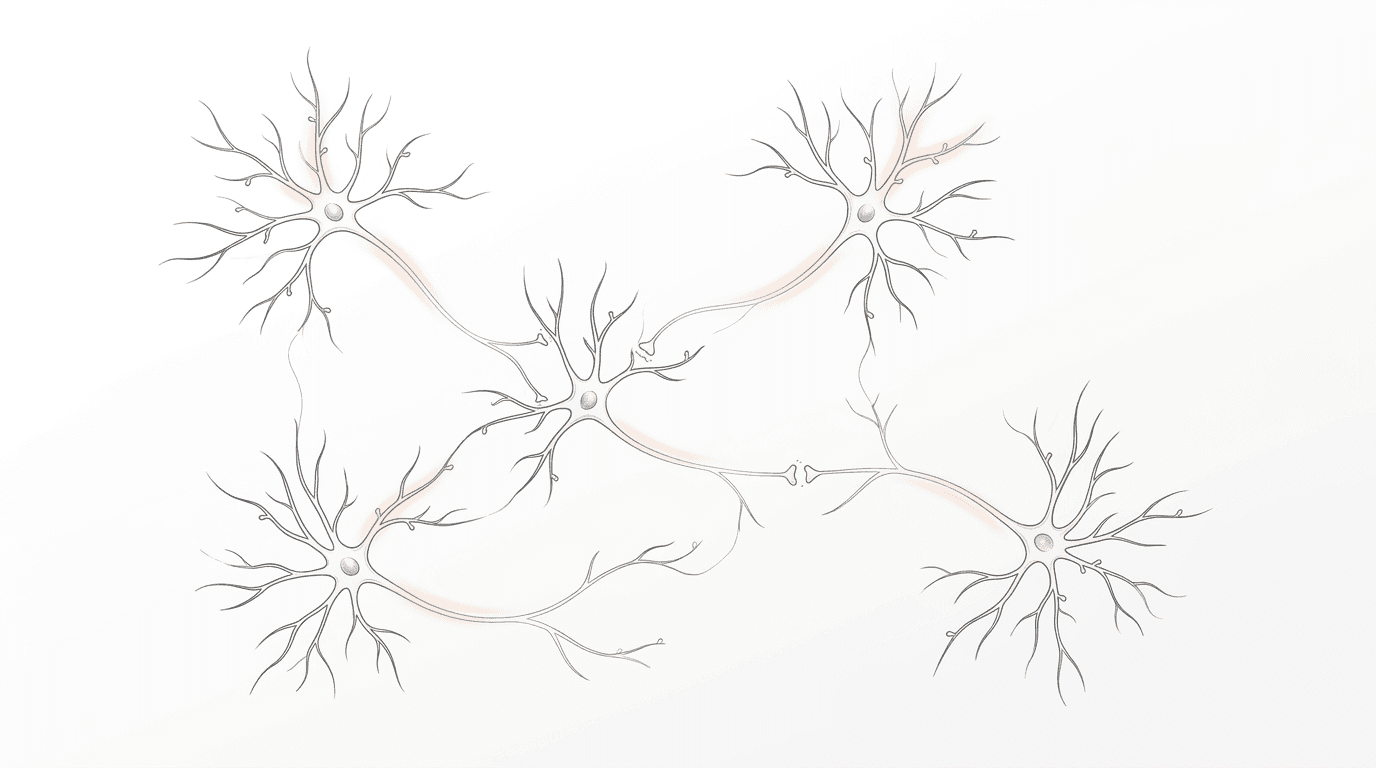
Ketamine works on the brain's main communication system, which uses a chemical called glutamate. At the doses used for mood disorders, ketamine briefly blocks certain receptors that normally act like restraints on glutamate. This allows more glutamate to be released in areas of the brain that control mood and thinking.
That increase activates pathways that help neurons grow and form stronger connections. Chronic stress and depression are linked to a loss of these neural connections. Ketamine helps restore them — which explains its rapid effects.
Dive deeper into the mechanism
A more detailed look at the molecular pathway: Ketamine blocks certain receptors in the brain called NMDA receptors. These receptors normally act like brakes on glutamate release. When ketamine blocks them, those brakes are loosened. As a result, the brain releases more glutamate, especially in areas involved in mood, thinking, and emotional control. This temporary increase in glutamate activates another type of receptor called AMPA receptors. That activation is important because it turns on a series of internal processes inside brain cells. These processes increase levels of growth related proteins, such as BDNF, which help brain cells repair, grow, and form new connections. The overall result is that brain cells begin forming stronger and healthier connections with each other. Chronic stress and depression are associated with a loss of these connections, especially in areas like the prefrontal cortex and hippocampus, which are involved in decision making, memory, and mood regulation. Ketamine appears to help restore these weakened connections, which may explain why many patients experience improvement much faster than with traditional antidepressants.
Dive deeper into the mechanism
“Ketamine is arguably the most important breakthrough in depression treatment in decades.”
“Ketamine is arguably the most important breakthrough in depression treatment in decades.”
— Thomas Insel, MD
Former Director, National Institute of Mental Health (NIMH)
THE SCIENCE
Neuroplasticity:
Making change possible
Neuroplasticity:
Making change possible
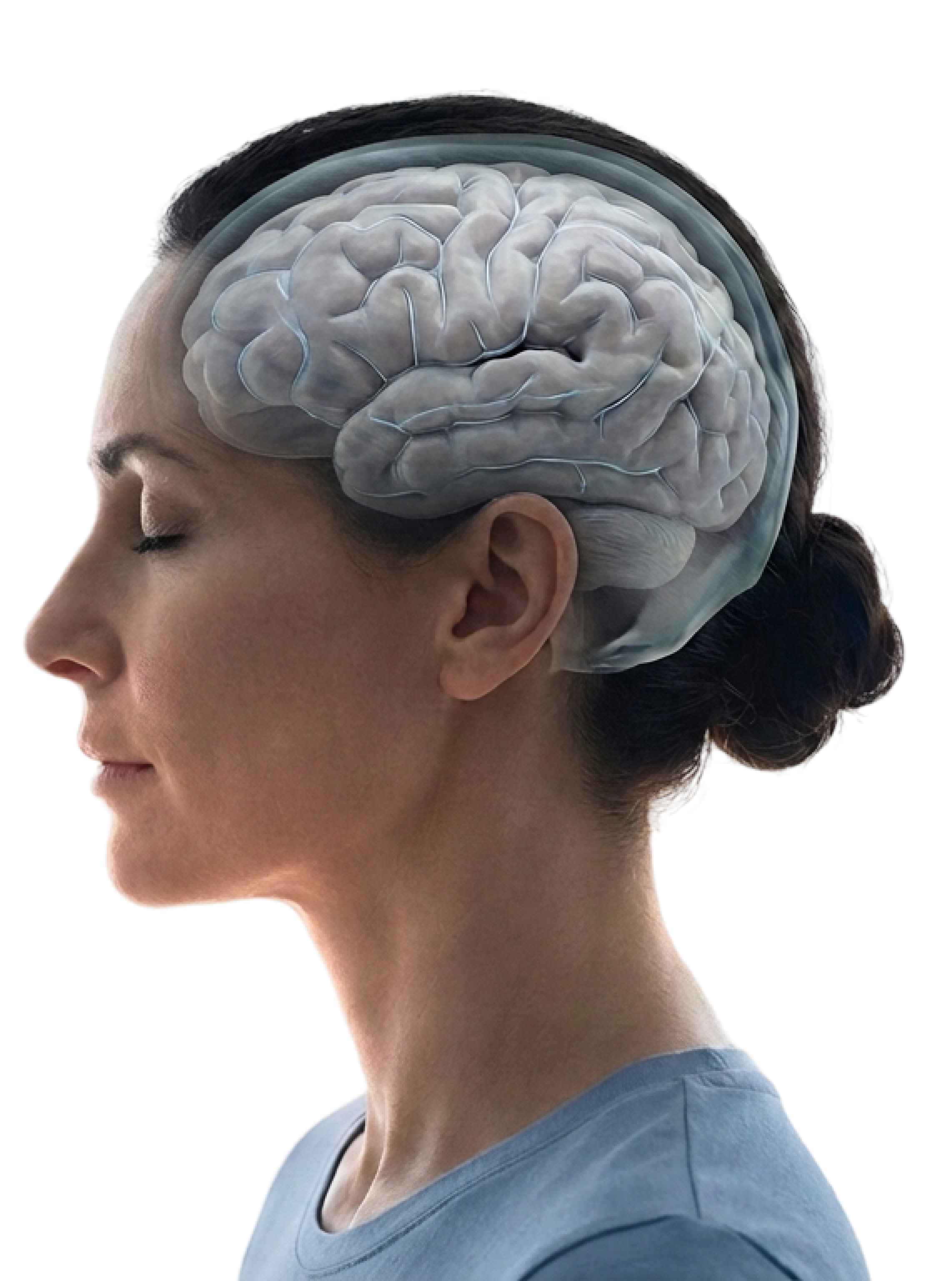
Neuroplasticity is the brain's ability to change and adapt. Neurons communicate through connections called synapses, and those connections are not fixed. They can grow stronger, weaker, or form entirely new pathways over time. This is how habits form, how memories are stored, and how behavior can change.
While traditional antidepressants require weeks of administration to induce neuroplasticity, ketamine induces profound neuroplasticity within just hours.
This window of enhanced neuroplasticity is clinically meaningful. During this period, cognitive flexibility increases. Rigid, ruminative thought patterns loosen. Patients often describe a sense of psychological distance from entrenched narratives. This is not masking symptoms. It is a real, biological opportunity for the brain to reset and rebuild healthier pathways.
Neuroplasticity is the brain's ability to change and adapt. Neurons communicate through connections called synapses, and those connections are not fixed. They can grow stronger, weaker, or form entirely new pathways over time. This is how habits form, how memories are stored, and how behavior can change.
While traditional antidepressants require weeks of administration to induce neuroplasticity, ketamine induces profound neuroplasticity within just hours.
This window of enhanced neuroplasticity is clinically meaningful. During this period, cognitive flexibility increases. Rigid, ruminative thought patterns loosen. Patients often describe a sense of psychological distance from entrenched narratives. This is not masking symptoms. It is a real, biological opportunity for the brain to reset and rebuild healthier pathways.
Potential benefits of increased neuroplasticity
Improved mood regulation
Reduced depression symptoms
Reduced anxiety and stress
Improved cognitive flexibility
Healthier thought patters
Improved sleep quality
Better trauma processing
Lasting behavioral change
Potential benefits of increased neuroplasticity
Improved mood regulation
Reduced depression symptoms
Reduced cravings and addictive behavior
Reduced anxiety and stress
Improved cognitive flexibility
Healthier thought patters
Improved sleep quality
Better trauma processing
Lasting behavioral change
KETAMINE BLOOD LEVEL ng/ml
100
200
OPTIMAL
DOSE
KETAMINE DOSE mg/kg
The therapeutic window - a precise dose makes a difference
The therapeutic window - a precise dose makes a difference
Ketamine works best within a relatively narrow therapeutic window. If the dose is too low, the brain may not reach the level of neuroplasticity needed for meaningful benefit, while doses that are too high can cause unpleasant side effects such as nausea or feeling out of control. Intravenous administration is the only route that allows the dose to be adjusted in real time to find and maintain this optimal range.
Ketamine works best within a relatively narrow therapeutic window. If the dose is too low, the brain may not reach the level of neuroplasticity needed for meaningful benefit, while doses that are too high can cause unpleasant side effects such as nausea or feeling out of control. Intravenous administration is the only route that allows the dose to be adjusted in real time to find and maintain this optimal range.
Ketamine works best within a relatively narrow therapeutic window. If the dose is too low, the brain may not reach the level of neuroplasticity needed for meaningful benefit, while doses that are too high can cause unpleasant side effects such as nausea or feeling out of control. Intravenous administration is the only route that allows the dose to be adjusted in real time to find and maintain this optimal range.
The combination
Precision creates the therapeudic window. Intention shapes what happens inside it
Precision creates the therapeudic window. Intention shapes what happens inside it
Ketamine can open a period of heightened neuroplasticity, when the brain becomes more flexible, more receptive, and less locked into the same old patterns. But a window is not a result. Results come from what you do with it.
Medical Precision
Medical Precision
IV dosing calibrated to support a therapeutic experience that is both deeply effective and carefully controlled. Your vitals are monitored continuously throughout. Nothing is left to chance.
IV dosing calibrated to support a therapeutic experience that is both deeply effective and carefully controlled. Your vitals are monitored continuously throughout. Nothing is left to chance.
Intentional Guidance
Intentional Guidance
So the experience is not random. Before each session, Dr. O'Neill works with you to identify a personal reframe, a focal point built around your specific patterns and what needs to change. The neuroplastic window then gives that intention the biological opportunity to become integrated.
So the experience is not random. Before each session, Dr. O'Neill works with you to identify a personal reframe, a focal point built around your specific patterns and what needs to change. The neuroplastic window then gives that intention the biological opportunity to become integrated.
+
When paired with intention, the window becomes an opportunity.
When paired with intentions and a structured therapeutic approach, this window of neuroplasticity can be used to create and reinforce healthier neural patterns. The brain is not just temporarily more flexible. It is actively forming new connections based on what it encounters during that period.
When paired with intentions and a structured therapeutic approach, this window of neuroplasticity can be used to create and reinforce healthier neural patterns. The brain is not just temporarily more flexible. It is actively forming new connections based on what it encounters during that period.

Multiple ways to receive ketamine therapy
Ketamine treatment can be administered using different methods, each with its own benefits. Our medical team helps identify the right approach for every patient.
Intravenous
Nasal
Intramuscular
Oral
GOLD STANDARD
Intravenous (IV) Infusion
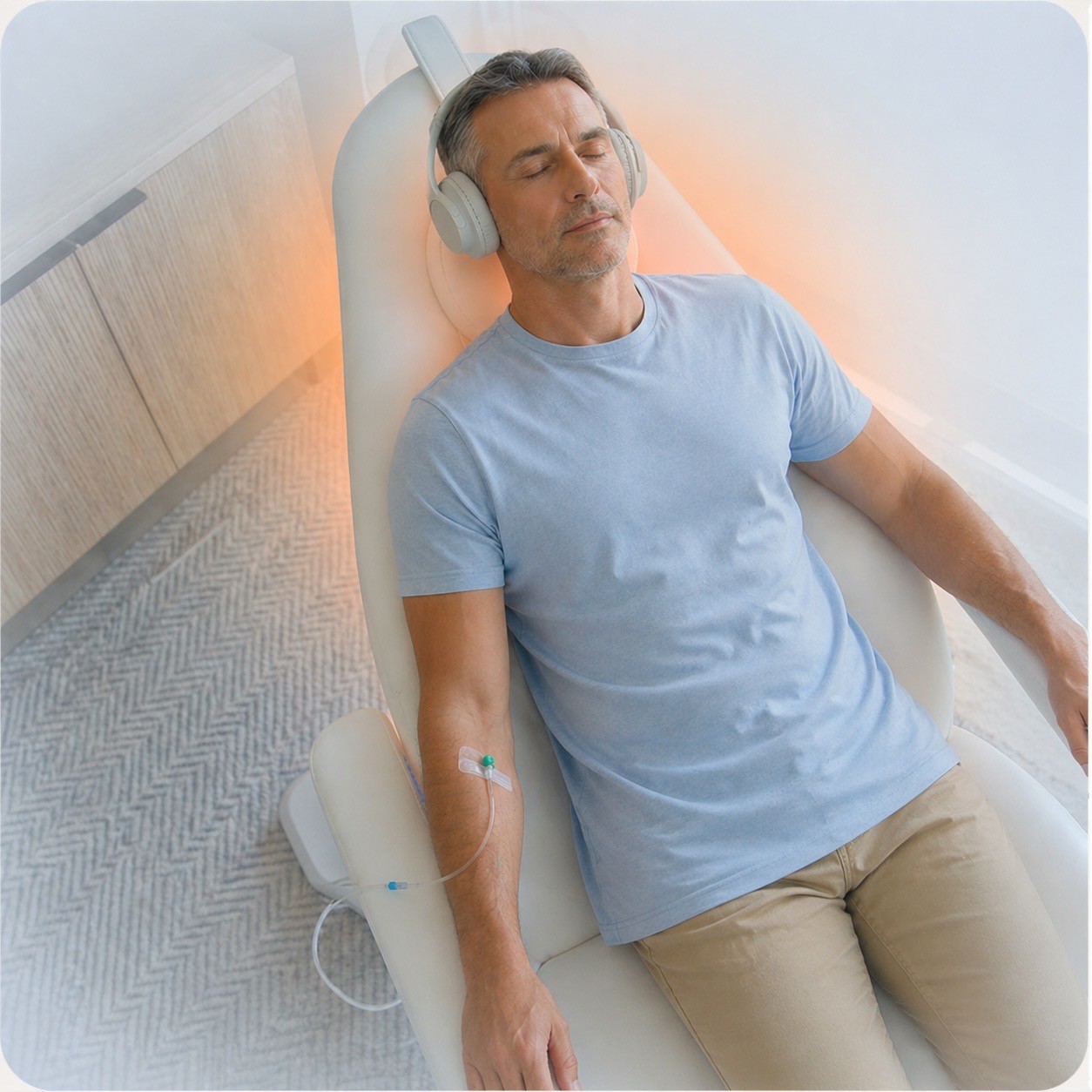
IV ketamine delivers the medication directly into the bloodstream through a small catheter in the arm. This allows the dose to be adjusted in real time and produces the most predictable and controlled effects.
Efficacy
Highest and most consistent
Onset & Duration
Rapid onset, precisely controlled
Administration
Requires IV and medical monitoring
COMING SOON
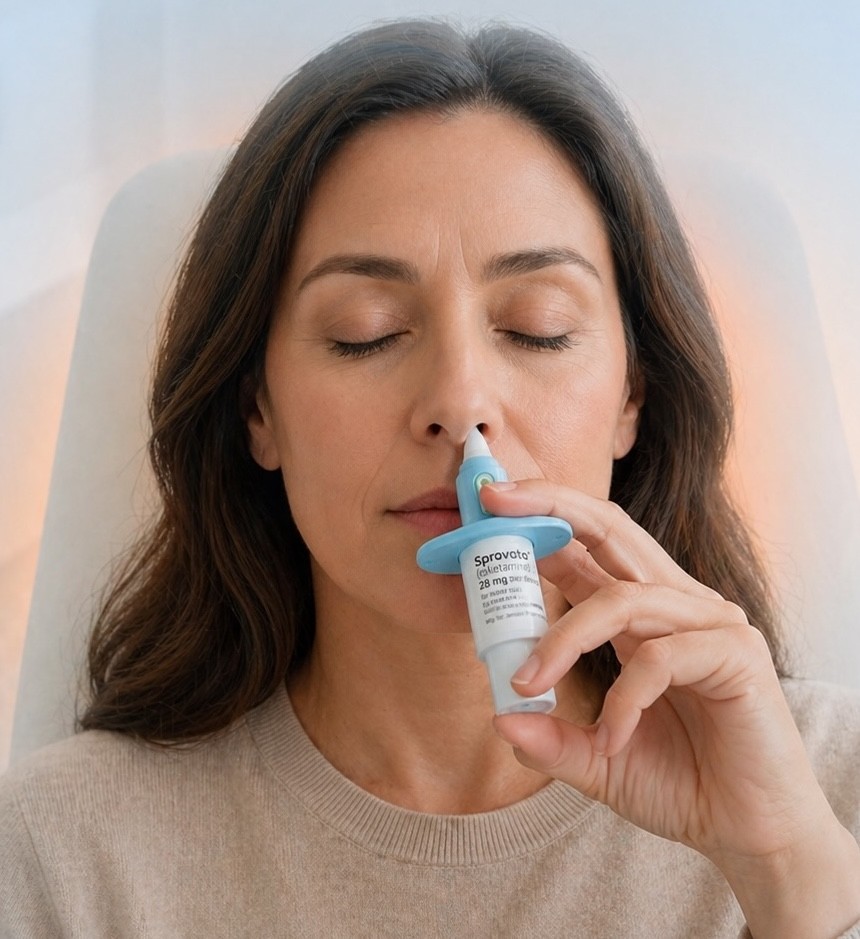
Nasal Sprays (e.g., Esketamine/Spravato®)
FDA-approved intranasal esketamine (Spravato®) represents an important advancement in the field of ketamine-based therapies and has expanded access to treatment for many patients. Because nasal absorption can vary between individuals, the amount of medication that reaches the bloodstream may be less predictable compared with intravenous administration.
Efficacy
Moderate and variable
Onset & Duration
Onset in 10 to 20 minutes
Administration
Simple, non invasive
OPTIONAL
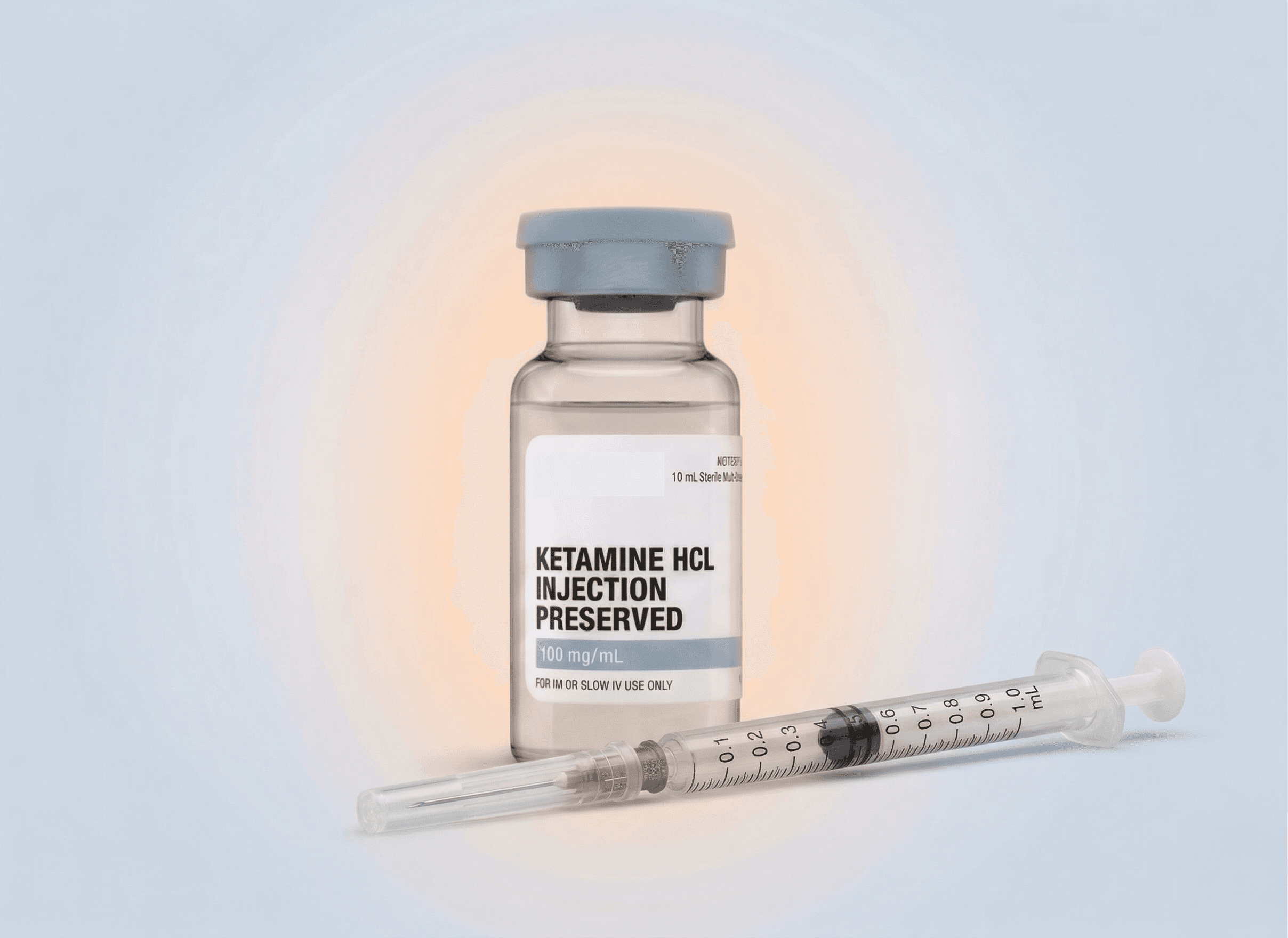
Intramuscular (IM) Injections
Intramuscular (IM) ketamine injections are another clinically used method of administration and can provide rapid therapeutic effects. Because the medication is delivered as a single dose into the muscle, absorption can occur quickly and dosing cannot be adjusted once administered.
Efficacy
High and reliable
Onset & Duration
Fast onset, fixed duration
Administration
Quick injection, clinician required
OPTIONAL
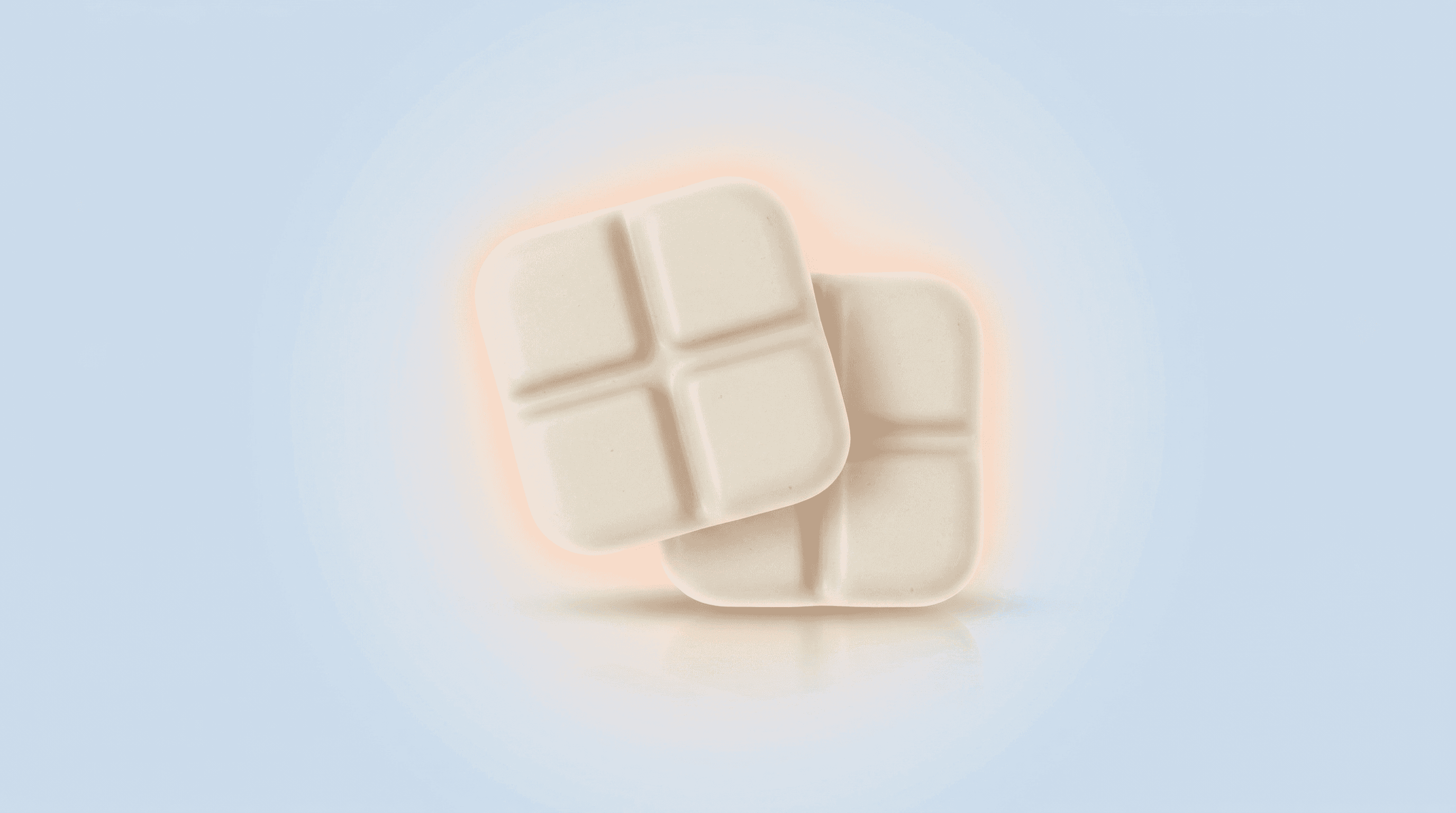
Oral Lozenges
Oral ketamine lozenges are sometimes used in clinical settings as a flexible and accessible treatment option. Because medication absorbed through the digestive system can vary from person to person, blood levels may be less predictable compared with intravenous delivery. For this reason, oral formulations are often best used as supportive or maintenance therapy.
Efficacy
Lower and variable
Onset & Duration
Slower onset, less predictable
Administration
Easy, non invasive
Intravenous
Nasal
Intramuscular
Oral
GOLD STANDARD
Intravenous (IV) Infusion
IV ketamine delivers the medication directly into the bloodstream through a small catheter in the arm. This allows the dose to be adjusted in real time and produces the most predictable and controlled effects.
Efficacy
Highest and most consistent
Onset & Duration
Rapid onset, precisely controlled
Administration
Requires IV and medical monitoring
COMING SOON
Nasal Sprays (e.g., Esketamine/Spravato®)
FDA-approved intranasal esketamine (Spravato®) represents an important advancement in the field of ketamine-based therapies and has expanded access to treatment for many patients. Because nasal absorption can vary between individuals, the amount of medication that reaches the bloodstream may be less predictable compared with intravenous administration.
Efficacy
Moderate and variable
Onset & Duration
Onset in 10 to 20 minutes
Administration
Simple, non invasive
OPTIONAL
Intramuscular (IM) Injections
Intramuscular (IM) ketamine injections are another clinically used method of administration and can provide rapid therapeutic effects. Because the medication is delivered as a single dose into the muscle, absorption can occur quickly and dosing cannot be adjusted once administered.
Efficacy
High and reliable
Onset & Duration
Fast onset, fixed duration
Administration
Quick injection, clinician required
OPTIONAL
Oral Lozenges
Oral ketamine lozenges are sometimes used in clinical settings as a flexible and accessible treatment option. Because medication absorbed through the digestive system can vary from person to person, blood levels may be less predictable compared with intravenous delivery. For this reason, oral formulations are often best used as supportive or maintenance therapy.
Efficacy
Lower and variable
Onset & Duration
Slower onset, less predictable
Administration
Easy, non invasive
Powerful medicine. Decades of safety data
Ketamine is a serious medical therapy backed by decades of anesthetic safety data and over 20 years of psychiatric research. Its distinct mechanism, rapid onset, and ability to enhance neuroplasticity make it a highly effective option when standard treatments fall short.
80
%
%
RESPONSE RATE
80% response rate average, even in treatment resistant cases
20
+ yrs
Well Researched
20+ years of psychiatric research supporting its use
4-6
hrs
hrs
hrs
Fast Acting Results
4-6 hours to first therapeutic effect vs. weeks for antidepressants
A COMPARISON
Traditional medications vs. ketamine
Traditional medications vs. ketamine
Traditional medications take time to shift how you feel. Ketamine works quickly, creating an opportunity for real and lasting change.
SSRIs and SNRIs
Ketamine Infusion Therapy
Often take weeks to feel full effects
Often produces noticeable effects within hours to days
Require daily, ongoing use
Given as a short series of treatments, not daily use
Response rates are often limited, especially after multiple trials
High response rates, even in treatment-resistant cases
Focused on symptom management
Focused on creating lasting change
Work by adjusting serotonin and norepinephrine
Targets the brain’s glutamate system
SSRIs and SNRIs
Often take weeks to feel full effects
Require daily, ongoing use
Response rates are often limited, especially after multiple trials
Focused on symptom management
Work by adjusting serotonin and norepinephrine
Ketamine Infusion Therapy
Often produces noticeable effects within hours to days
Given as a short series of treatments, not daily use
High response rates, even in treatment-resistant cases
Focused on creating lasting change
Targets the brain’s glutamate system
Multiple ways to receive ketamine therapy
Ketamine treatment can be administered using different methods, each with its own benefits. Our medical team helps identify the right approach for every patient.
GOLD STANDARD
Intravenous (IV) Infusion
IV ketamine delivers the medication directly into the bloodstream through a small catheter in the arm. This allows the dose to be adjusted in real time and produces the most predictable and controlled effects.
Efficacy
Highest and most consistent
Onset & Duration
Rapid onset, precisely controlled
Administration
Requires IV and medical monitoring
COMING SOON
Nasal Sprays (e.g., Esketamine/Spravato®)
FDA-approved intranasal esketamine (Spravato®) represents an important advancement in the field of ketamine-based therapies and has expanded access to treatment for many patients. Because nasal absorption can vary between individuals, the amount of medication that reaches the bloodstream may be less predictable compared with intravenous administration.
Efficacy
Moderate and variable
Onset & Duration
Onset in 10 to 20 minutes
Administration
Simple, non invasive
OPTIONAL
Intramuscular (IM) Injections
Intramuscular (IM) ketamine injections are another clinically used method of administration and can provide rapid therapeutic effects. Because the medication is delivered as a single dose into the muscle, absorption can occur quickly and dosing cannot be adjusted once administered.
Efficacy
High and reliable
Onset & Duration
Fast onset, fixed duration
Administration
Quick injection, clinician required
OPTIONAL
Oral Lozenges
Oral ketamine lozenges are sometimes used in clinical settings as a flexible and accessible treatment option. Because medication absorbed through the digestive system can vary from person to person, blood levels may be less predictable compared with intravenous delivery. For this reason, oral formulations are often best used as supportive or maintenance therapy.
Efficacy
Lower and variable
Onset & Duration
Slower onset, less predictable
Administration
Easy, non invasive
Take the first step and talk to a care navigator
Your care navigator will explain the process, discuss costs, and connect you with Dr. O'Neill to explore today’s most advanced mental health treatment.


Take the first step and talk to a care navigator
Your care navigator will explain the process, discuss costs, and connect you with Dr. O'Neill to explore today’s most advanced mental health treatment.
Take the first step and talk to a care navigator
Your care navigator will explain the process, discuss costs, and connect you with Dr. O'Neill to explore today’s most advanced mental health treatment.

Home
Pricing
About

Call us direct
(310) 280-4440
Schedule a 15-minute discovery call to see if treatment is right for you.
Home
Pricing
About
Call us direct
(310) 280-4440
Schedule a 15-minute discovery call to see if treatment is right for you.